The Avon Valley follows the Avon River through farmland and granite hills east and north-east of Perth. Its three main towns, Northam, Toodyay and York, were among the earliest inland settlements in Western Australia, and their main streets still hold many nineteenth-century buildings. With green winter paddocks, spring wildflowers and riverside walks, the valley makes a relaxed escape from the city.
This guide covers each town, the river, national parks and walks, events, the best seasons and practical tips for a day trip or weekend.
~1 hour
From Perth
To Toodyay, Northam or York
1831
York settled
Oldest inland town in WA
Avon River
Links the towns
Flows into the Swan River
Getting there
The Avon Valley is close enough to Perth for a day trip. The Great Eastern Highway runs east through the Perth Hills to Northam, while Toodyay is reached via Toodyay Road and York via the Great Southern Highway. A loop through all three towns is a popular full-day drive. The Avon Link and MerredinLink trains also serve Northam and Toodyay on limited timetables; check Transwa for current services.
Northam
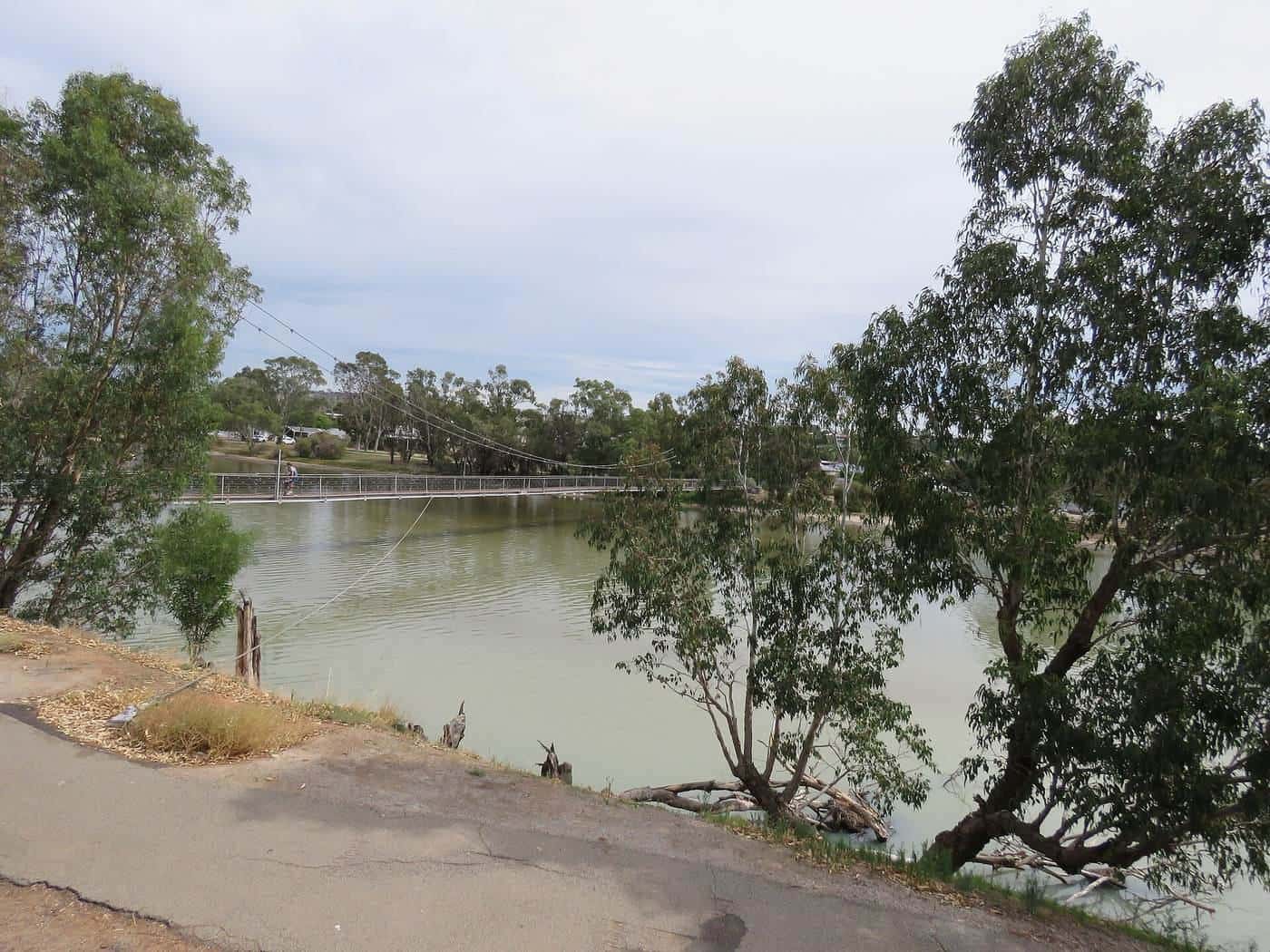
Northam is the largest town in the valley and its main service centre. The Avon River runs through the town, and riverside paths connect parks and picnic spots. Northam's pedestrian suspension bridge crosses the river near the town centre and is a local landmark.
Northam is known for its white swans, descendants of mute swans introduced to the area. They're a contrast to the native black swans found across Western Australia.
The town is also the starting point of the Avon Descent, an annual white-water race that runs down the Avon and Swan rivers towards Perth. The race is usually held in winter when river flows are higher.
Toodyay
Toodyay sits in a bend of the Avon River among hills north-east of Perth. Its main street, Stirling Terrace, is lined with heritage buildings, including old shops, hotels and public buildings. The town has a strong arts and craft community and holds markets and festivals through the year.
Toodyay was the scene of some of the colony's bushranging history, and the old gaol and other historic sites help tell that story. Nearby bushland and the river valley offer walks and picnic spots.
York
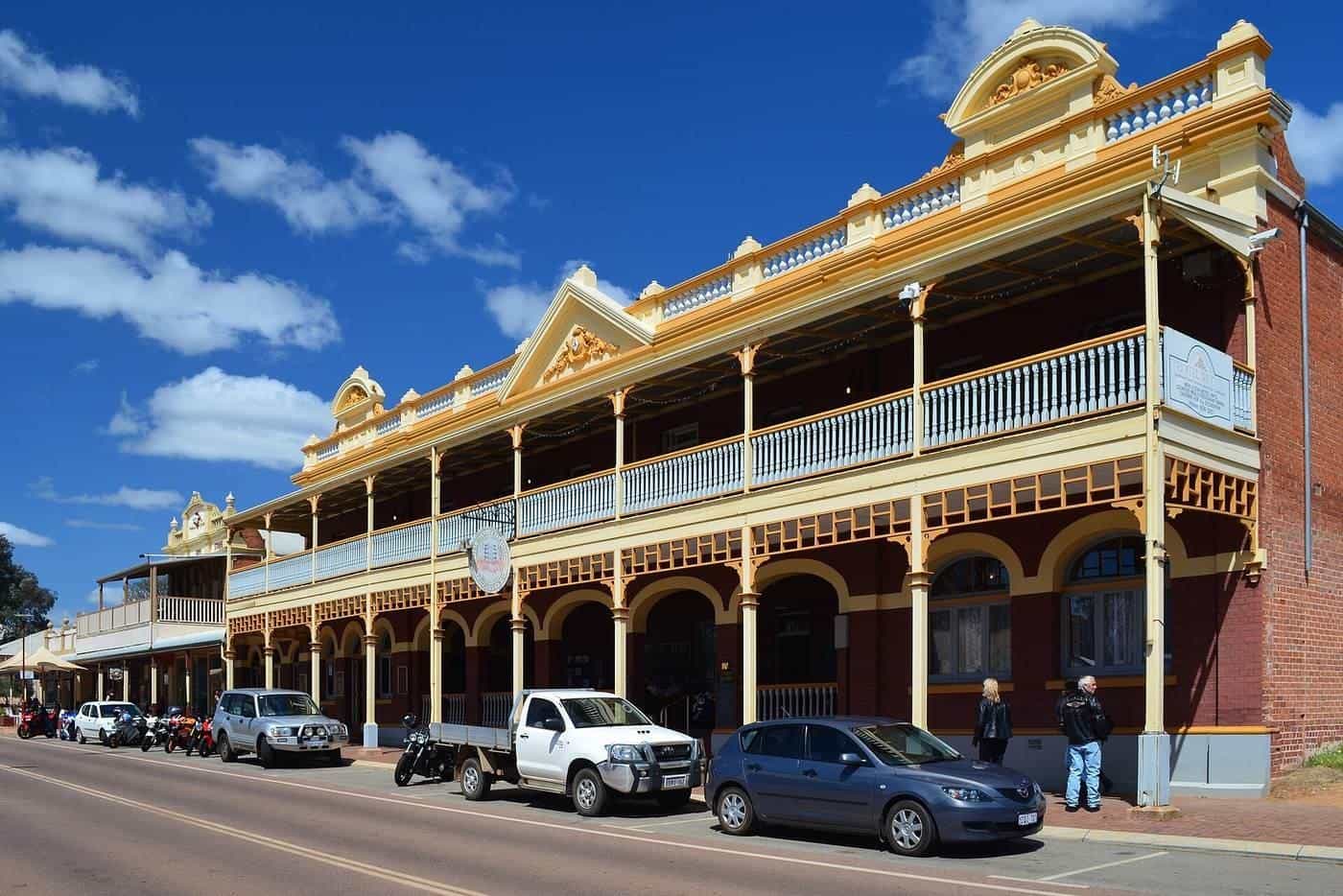
York, settled in 1831, is often described as the oldest inland town in Western Australia. Its long main street, Avon Terrace, has an unusually well-preserved collection of Victorian and Federation buildings, and the town has been recognised for its heritage value. York hosts festivals and events through the year, and its historic buildings, museums and suspension bridge over the Avon make it a pleasant place to wander.
Mount Brown lookout, just outside town, gives views over York and the valley.
The Avon River
The Avon River flows through the valley before joining the Swan River, which flows on to Perth. In summer, stretches of the river can be little more than a chain of pools. In winter and early spring, after rain, it flows strongly through rapids, especially in the steep valley between Toodyay and the Swan Valley.
Paddling and the Avon Descent are popular when water levels are high, but the river can be dangerous in flood. Never enter floodwaters, and check conditions before paddling.
National parks and walks
Avon Valley National Park protects steep, forested valley slopes and granite outcrops near Toodyay. It has campgrounds, walking trails and views over the river. The park is reached by unsealed roads, so check access conditions before you go.
Walyunga National Park, closer to Perth, sits where the river cuts through the Darling Range. It's a popular spot for picnics, walks and wildflowers, and is an important place for the Noongar people.
Wildflowers. In late winter and spring, wildflowers bloom across the valley's bushland and road verges. Look for everlastings, orchids and wattles. Wildflowers are protected, so take photos rather than picking.
Food and farm stays
The Avon Valley is a farming region. You'll find bakeries, cafes, pubs, wineries, olive groves and farm-gate producers in and around the towns. Some farms offer farm-stay accommodation. Opening days and hours can vary, especially in smaller towns, so check ahead before you travel.
Events
The valley's towns hold regular markets, agricultural shows, festivals and heritage events. The Avon Descent is the best-known annual event. Check local shire and visitor centre websites for current dates.
When to go
The Avon Valley is hotter and drier in summer than the coast, and cooler and greener in winter.
- Winter (June to August) brings green paddocks, flowing rivers and cool, crisp days.
- Spring (September to November) is wildflower season, with canola paddocks and mild weather.
- Summer (December to February) can be very hot. Bushfire risk is high, so check Emergency WA and total fire ban information.
- Autumn (March to May) is often warm and settled.
Avon Valley day trip checklist
0 of 7 done
Ticks are saved in this browser only.
Suggested itineraries
Day trip. Drive to Toodyay via Toodyay Road, explore Stirling Terrace, continue to Northam for lunch by the river and return to Perth via the Great Eastern Highway.
Weekend. Stay in York or Northam, explore all three towns, walk in Avon Valley National Park and add a drive to a nearby Wheatbelt town.
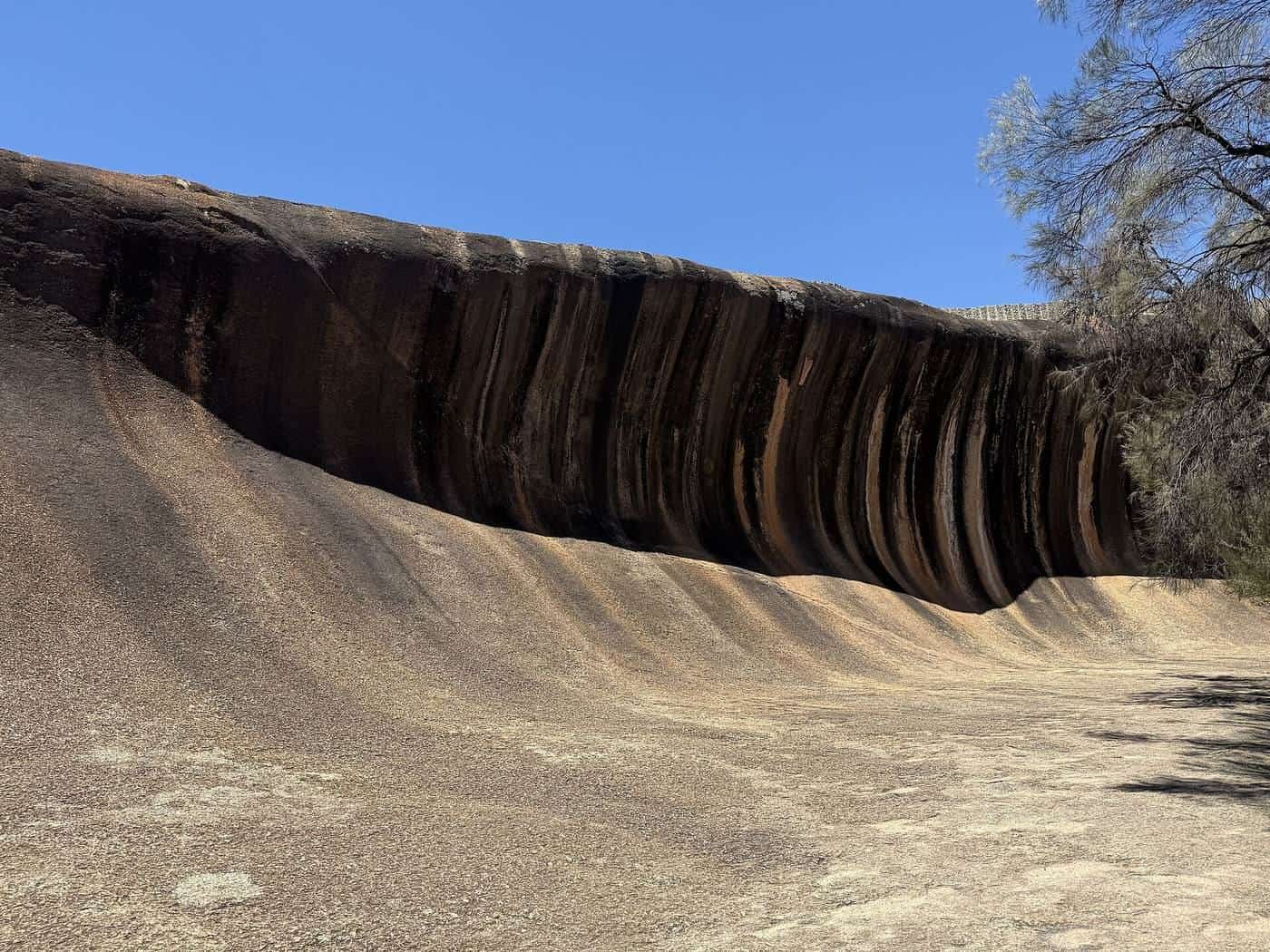
Longer trip. Continue east into the Wheatbelt towards Wave Rock, or north to New Norcia.
Common mistakes
- Arriving midweek to find some businesses closed. Check ahead.
- Driving at dusk without watching for kangaroos.
- Taking two-wheel-drive vehicles onto unsealed park roads after rain.
Heritage and history
The Avon Valley's towns were established in the early years of the Swan River Colony, when settlers moved inland in search of farming land. Many of their buildings are now listed on the state heritage register. The valley is also Ballardong Noongar country, with a much longer history. Look for interpretive signs and local museums to learn more.
Accommodation
The valley has hotels, motels, bed and breakfasts, farm stays, caravan parks and national park campgrounds. Weekends and event dates are busiest. Book ahead if you plan to visit during a major event.
Travelling with children
The valley suits families looking for a short drive from Perth. Riverside parks, playgrounds, picnic areas and short walks are easy to fit into a day, and the swans at Northam are a reliable hit. Pack hats and water in summer.
Key points
The Avon Valley's three historic towns, Northam, Toodyay and York, sit about an hour from Perth. Visit in winter and spring for green hills, flowing rivers and wildflowers, check opening days ahead and drive carefully on country roads.
Frequently asked questions
How far is the Avon Valley from Perth?
Toodyay is roughly 85 km north-east of Perth, and Northam and York are each about 95 to 100 km east of the city. Each is about an hour to an hour and a half by road, depending on your route.
Which is the oldest inland town in Western Australia?
York, settled in 1831, is generally described as the oldest inland town in Western Australia. Its main street has many heritage buildings.
What is the Avon Descent?
The Avon Descent is an annual white-water race for paddlers and powerboats that runs down the Avon and Swan rivers from Northam towards Perth, usually held in winter when river levels are higher.
Can I see wildflowers in the Avon Valley?
Yes. In late winter and spring, wildflowers bloom in the bushland and national parks around the valley, including Avon Valley National Park and Walyunga National Park. Wildflowers are protected, so don't pick them.
Is the Avon Valley good for a day trip?
Yes. You can visit one or two towns in a day from Perth. Staying overnight lets you explore at a slower pace and visit more than one town.
What should I know about driving there?
Roads are sealed but pass through farmland and bush, with trucks and wildlife. Avoid driving at dawn and dusk when kangaroos are most active, and take breaks on longer trips.
Sources and further reading
Facts on this page were checked against these primary and official sources. Conditions change — confirm before you travel or buy.
- Avon Valley National Park — Parks and Wildlife Service WA
- Walyunga National Park — Parks and Wildlife Service WA
- inHerit heritage database — Heritage Council of WA
- York, Western Australia — Wikipedia